

Have you ever received a message that said, “Sending you my well wishes”? You may have wondered what the phrase really means and when you should use it. The expression is common in cards, messages, emails, social media posts, and everyday conversations.
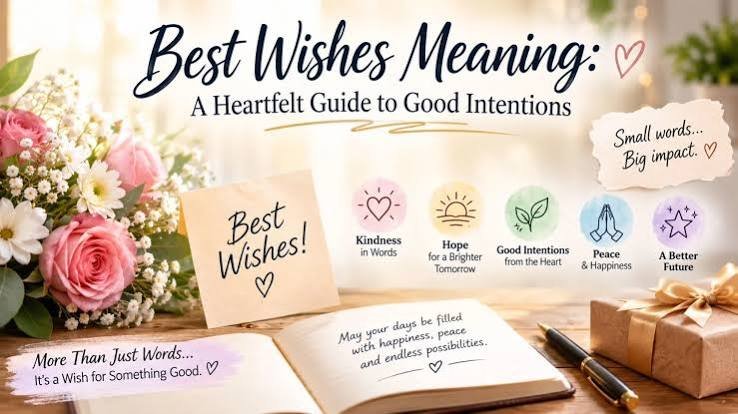
So, what is well wishes? In simple terms, well wishes are kind and positive thoughts that someone expresses toward another person. They usually show hope for someone’s happiness, health, success, comfort, or future.
People use well wishes when they want to show kindness and support. The message can be short and simple, or it can be personal and emotional. The exact words often depend on the situation and the relationship between the people.
For example, someone may send well wishes to a friend who is starting a new job. A person may also send well wishes to someone who is recovering from an illness. They can be used for birthdays, weddings, graduations, new opportunities, and many other important moments.
Understanding the meaning of well wishes can help you communicate more naturally. It can also help you choose the right words when you want to make someone feel appreciated, supported, or encouraged.
What Is Well Wishes?
The phrase “well wishes” refers to expressions of goodwill, kindness, hope, and positive feelings toward another person. When you send someone well wishes, you are showing that you hope something good happens to them.
Well wishes can be expressed through spoken words or written messages. You might say them in person, write them in a greeting card, send them through a text message, or include them in an email.
The expression does not usually describe one specific type of wish. Instead, it is a broad term for positive thoughts and good intentions.
For example, if your friend has an important exam, you might say, “I’m sending you my well wishes for your exam.” You are expressing hope that your friend does well.
If someone is recovering from an illness, you might say, “Sending you my well wishes for a quick recovery.” In this situation, the phrase communicates care and encouragement.
The meaning becomes clear from the context. Well wishes can relate to health, happiness, success, relationships, career, education, or personal growth.
What Do Well Wishes Mean?
The meaning of well wishes is closely connected to kindness and positive intentions. When people send well wishes, they usually want another person to experience something good.
The word “well” suggests something favorable. The word “wishes” refers to hopes or desires. Together, “well wishes” describe positive hopes for another person.
For example, if someone is moving to a new city, you might say, “Best of luck in your new home. Sending you my well wishes.” This message shows that you hope their new experience is successful and enjoyable.
Well wishes can also express emotional support. You do not always need to know exactly what someone is going through. A simple message can let them know that you are thinking about them.
The phrase can be warm without being overly personal. This makes it useful in both casual and professional communication.
Why Do People Send Well Wishes?
People send well wishes for many reasons. One of the main reasons is to show that they care about another person’s experience.
Life includes many important moments. Some moments are exciting, such as weddings and graduations. Other moments can be difficult, such as illness, loss, failure, or major changes.
A thoughtful message can encourage during these moments. Even a few words can help someone feel remembered and supported.
Well wishes also help people maintain relationships. A short message can show that you are thinking about a friend, family member, coworker, or acquaintance.
In professional settings, well wishes can create a positive and respectful tone. For example, a manager might send well wishes to an employee who is leaving for a new opportunity.
In personal relationships, well wishes can be more emotional. You may include memories, personal encouragement, or specific hopes for the person’s future.
When Do People Use Well Wishes?
There are many situations where well wishes are appropriate. The expression is flexible and can be adapted to different occasions.
You can use well wishes for happy events, difficult situations, professional changes, personal milestones, and everyday encouragement.
The following sections explain some of the most common situations.
Well Wishes for Birthdays
Birthdays are one of the most common occasions for sending positive messages. A birthday message can include hopes for happiness, health, success, and a wonderful year ahead.
For example, you could say, “Wishing you a very happy birthday and sending you my warmest well wishes for the year ahead.”
A birthday well-wishes message does not need to be complicated. A simple and sincere message can be meaningful.
You can also personalize the message based on your relationship. A message to a close friend may sound casual and emotional. A message to a coworker may be polite and professional.
The main goal is to make the person feel valued on their special day.
Well Wishes for Weddings
Weddings are another important occasion for well wishes. People often send messages to newly married couples to express hope for a happy and successful marriage.
A wedding message might say, “Congratulations on your wedding. Wishing you both a lifetime of happiness, love, and wonderful memories.”
You can include wishes for a peaceful and joyful future. If you know the couple well, you can also add a personal message.
Wedding well wishes are common in greeting cards, social media posts, emails, and speeches.
Well Wishes for Graduations
Graduation represents the end of one stage and the beginning of another. It may lead to college, a new career, further education, or another major life change.
Well wishes can be used to celebrate the graduate’s achievement while encouraging their future goals.
For example, you might write, “Congratulations on your graduation. Sending you my best well wishes as you begin this exciting new chapter.”
This type of message combines celebration and encouragement.
Well Wishes for a New Job
Starting a new job can be exciting and challenging. Sending well wishes can help someone feel confident about the change.
A simple message could be, “Congratulations on your new job. I’m sending you my well wishes for success and happiness in your new role.”
You can also mention specific qualities that may help the person succeed. For example, you might remind them that their hard work and skills will help them in their new position.
Well Wishes for Illness and Recovery
Well wishes are often used when someone is sick or recovering from an illness. In these situations, the message should be gentle, respectful, and supportive.
You might write, “Sending you my warmest well wishes and hoping you feel stronger and better each day.”
A recovery message should not pressure the person to feel better quickly. Instead, it should communicate care and encouragement.
Sometimes, a short message is enough. Saying that you are thinking about someone can make them feel less alone.
Well Wishes During Difficult Times
People may also send well wishes during difficult periods. These situations can include personal challenges, major changes, disappointment, or emotional struggles.
The message should focus on support rather than giving unwanted advice.
For example, you could say, “Thinking of you during this difficult time and sending my heartfelt well wishes.”
A supportive message can be especially meaningful when someone does not need solutions but simply needs to know that others care.
Well Wishes for a New Beginning
New beginnings happen throughout life. Someone may move to a new city, start a business, begin a new relationship, or make an important personal change.
Well wishes can communicate hope for the future.
For example, “Wishing you happiness, success, and many wonderful opportunities in your new chapter.”
This type of message is positive and flexible. It can work for many different situations.
Examples of Well Wishes
There are many ways to express well wishes. The best message depends on the occasion and your relationship with the person.
Here are some simple examples:
“Sending you my warmest well wishes.”
“Wishing you happiness and success.”
“May your future be filled with wonderful opportunities.”
“Wishing you all the best in your new journey.”
“Sending positive thoughts your way.”
“I hope everything goes well for you.”
“Wishing you health, happiness, and peace.”
“May your next chapter be full of success.”
“Thinking of you and sending my best wishes.”
“Wishing you nothing but good things ahead.”
These examples can be changed to match different situations.
Short Well Wishes Messages
Sometimes you do not need a long message. A short sentence can communicate your feelings clearly.
For example, you could say:
“Wishing you all the best.”
“Sending you warm wishes.”
“Best wishes for your future.”
“Wishing you happiness always.”
“Hope everything goes wonderfully.”
“Sending positive thoughts your way.”
“Wishing you success in everything you do.”
Short messages are especially useful for text messages, social media comments, and greeting cards.
Heartfelt Well Wishes
Heartfelt well wishes are more personal. They are often used for close friends, family members, or people who are going through an important experience.
A heartfelt message may include personal memories or specific hopes.
For example, you could write, “You have worked so hard to reach this point, and I am truly proud of you. Sending you my heartfelt well wishes for everything that comes next.”
This type of message feels more personal because it explains why the sender cares.
Professional Well Wishes
Professional communication requires a slightly different tone. Your message should be polite, positive, and appropriate for the workplace.
For example, if a coworker is leaving the company, you might write, “It has been a pleasure working with you. I wish you continued success and send you my best wishes for your next opportunity.”
Professional well wishes can also be used for promotions, retirements, new positions, business launches, and career changes.
Avoid overly casual language when writing to someone in a formal professional relationship.
Well Wishes for Friends
Friends often appreciate messages that are warm and natural. You can use casual language while still expressing genuine support.
For example, “I’m so excited for you. Wishing you lots of happiness and success in this new chapter.”
You can also add humor if it fits your friendship.
The best message is usually one that sounds like something you would naturally say to your friend.
Well Wishes for Family
Family messages can be more emotional and personal. You may want to express love, pride, support, and hope.
For example, “No matter where life takes you, I will always be cheering for you. Sending you all my love and well wishes.”
A personal message can be especially meaningful for major family milestones.
How to Write a Good Well-Wishes Message
Writing a good message does not have to be difficult. The most important thing is to be sincere.
First, think about the occasion. A birthday message will sound different from a recovery message.
Next, consider your relationship with the person. A close friend may appreciate a personal message. A coworker may prefer a professional message.
Then, express your positive thought clearly. Tell the person what you hope for them.
Finally, add a personal touch if appropriate. Even one specific sentence can make a general message feel much more meaningful.
Step 1: Consider the Occasion
The occasion should guide your words. Think about what the person is experiencing.
For a graduation, focus on achievement and future success. For a wedding, focus on love and happiness. For an illness, focus on comfort and recovery.
Matching the message to the situation makes it more thoughtful.
Step 2: Use Positive and Sincere Words
Well wishes should generally have a positive tone. Use words such as happiness, success, peace, hope, health, joy, and strength when they fit the situation.
However, avoid using too many positive words just to make the message sound impressive.
Simple and honest words are often more powerful.
Step 3: Add a Personal Touch
A personal detail can make a message memorable.
For example, instead of saying only, “Good luck with your new job,” you could say, “You have worked hard for this opportunity, and I know you will do great. Good luck with your new job.”
The second message feels more personal because it recognizes the person’s effort.
Step 4: Keep the Message Appropriate
Think about the relationship and setting before sending your message.
A casual message may be suitable for a friend. A more formal message may be better for a manager, client, teacher, or professional contact.
Choosing the right tone shows respect.
Step 5: End on a Positive Note
A strong ending can make your message feel complete.
You can end with phrases such as:
“Wishing you all the best.”
“Take care and stay positive.”
“Wishing you continued success.”
“Sending you my warmest wishes.”
“May the future bring you many wonderful opportunities.”
Well Wishes vs. Best Wishes
People sometimes wonder about the difference between well wishes and best wishes. Both expressions communicate positive feelings, but they are used slightly differently.
“Well wishes” generally refers to positive thoughts or hopes for another person. It is often used when someone wants to express support, kindness, or concern.
“Best wishes” is a common closing phrase used in letters, cards, emails, and messages. It can also express hope for someone’s future happiness or success.
For example, you might say, “Please accept my well wishes during your recovery.”
You might end a professional email with, “Best wishes, Sarah.”
The expressions can overlap in meaning. The main difference is often how they function in a sentence.
Is “Well Wishes
The phrase “well wishes” is commonly used in English as a noun phrase. It generally refers to positive thoughts or expressions of goodwill.
However, the question “What is well wishes?” is grammatically awkward because “well wishes” is plural. More natural questions include “What are well wishes?” or “What does well wishes mean?”
Even so, “what is well wishes” is a search phrase that people may type into search engines. If you are creating SEO content around that keyword, you can use the keyword naturally while also explaining the grammatically correct forms.
For example, the article can use the exact keyword in the title and introduction, while the body can naturally include phrases such as “what are well wishes” and “what does well wishes mean.”
This approach helps maintain natural writing while targeting the search intent behind the keyword.
How to Use Well Wishes in a Sentence
There are many ways to use the phrase naturally.
Here are some examples:
“I am sending my well wishes to you and your family.”
“Please accept my well wishes during this difficult time.”
If you want to understand the meaning and correct use of phrases such as “well wishes” and “best wishes,” you can explore trusted English language resources. Cambridge Dictionary offers clear definitions and examples of English words and phrases. You can also use Merriam-Webster Dictionary to learn more about word meanings, usage, and common expressions. These reliable resources can help you improve your understanding of English communication and use well wishes naturally in different situations.
“We all send our well wishes for your recovery.”
“She sent her well wishes before my interview.”
“Everyone shared their well wishes after hearing the good news.”
“Thank you for your kind well wishes.”
These sentences show how the phrase can be used in different contexts.
Common Well-Wishes Phrases
Many expressions can communicate the same general idea as well wishes.
“Wishing you all the best” is one of the most common choices. It works in both personal and professional situations.
“Sending you my best wishes” is warm and flexible. It can be used in cards, messages, and emails.
“Wishing you happiness and success” is useful for new beginnings and achievements.
“Wishing you a bright future” is suitable for graduations, career changes, and other milestones.
“Sending positive thoughts your way” can work well during challenging situations.
“I wish you well” is simple and respectful.
“Warmest wishes” gives a message a friendly and caring tone.
Well Wishes in Greeting Cards
Greeting cards are a traditional place to use well wishes. The message can be short or long depending on the occasion.
For a birthday card, you might write about happiness and the year ahead.
For a wedding card, you might write about love and a shared future.
For a graduation card, you might focus on achievement and new opportunities.
For a recovery card, you might offer gentle encouragement and support.
The key is to match the message to the reason for the card.
Well Wishes in Emails
Well wishes can also be used in emails. They are especially useful when communicating about professional changes or important personal events.
For example, if a coworker is leaving, you can send a short email wishing them success in their next role.
A professional email might say that you enjoyed working with the person and hope they have a successful future.
You can also use “best wishes” as an email closing. The choice depends on the overall tone of your message.
Well Wishes on Social Media
Social media provides many opportunities to share well wishes. People often leave supportive comments on posts about birthdays, graduations, weddings, new jobs, and achievements.
A short comment such as “Congratulations and best wishes for your new journey!” can be enough.
For a friend, you can make the comment more personal.
For example, “So proud of you! Wishing you endless happiness and success in this new chapter.”
Social media messages are usually shorter than letters, but they can still be sincere.
Well Wishes for a New Business
Starting a business can be both exciting and challenging. Sending well wishes can show encouragement and support.
You might write, “Congratulations on your new business. Wishing you continued growth, success, and many happy customers.”
This type of message is suitable for friends, family members, business partners, or professional contacts.
You can also mention the person’s hard work or vision if you know more about the business.
Well Wishes for Someone Starting College
Starting college is a major milestone. Students often face new responsibilities, new people, and new experiences.
A thoughtful message can encourage them to enjoy the journey.
For example, “Wishing you success, confidence, and many wonderful experiences as you begin college.”
You can also remind the student to stay open to learning and new opportunities.
Well Wishes for Retirement
Retirement marks the beginning of a new stage of life. A retirement message can celebrate someone’s career while wishing them happiness in the future.
For example, “Congratulations on your retirement. Wishing you peaceful days, exciting adventures, and plenty of time to enjoy the things you love.”
A personal retirement message can also mention the person’s contributions and achievements.
Well Wishes for Someone Moving Away
Moving away can be emotional. A person may be leaving friends, family, coworkers, or a familiar community.
A well-wishes message can acknowledge the change while focusing on the future.
For example, “We will miss having you nearby, but we are excited for your next chapter. Sending you our warmest well wishes.”
This type of message combines friendship, encouragement, and hope.
Well Wishes for a Friend Going Through a Hard Time
When a friend is facing a difficult situation, a supportive message can mean a lot.
You do not always need to find the perfect words. Sometimes simply saying that you are thinking about them is enough.
For example, “I know things are difficult right now. Just remember that I am thinking of you and sending you my warmest well wishes.”
If you are close to the person, you can also offer practical support.
The Importance of Sincerity
The most important part of any well-wishes message is sincerity.
A message does not need to be long or complicated to be meaningful. People can often recognize when words are genuine.
Instead of copying a complicated message, choose words that match how you actually feel.
If you care about the person, let that care guide your message.
A simple “I’m thinking of you and wishing you well” can be more meaningful than a long message filled with generic phrases.
Common Mistakes to Avoid
There are a few mistakes people can make when writing well wishes.
One common mistake is making the message too generic. While general phrases are useful, adding one personal sentence can make the message stronger.
Another mistake is using an inappropriate tone. A joke may be fine for a close friend but unsuitable for someone experiencing a serious difficulty.
Avoid making difficult situations about yourself. When someone is struggling, focus on their feelings and needs.
It is also important to avoid giving unwanted advice. A well-wishes message is usually about support, not solving someone’s problems.
Are Well Wishes Formal or Informal?
Well wishes can be either formal or informal. The expression itself is flexible.
In a professional setting, you can use polite and respectful wording.
For example, “I wish you continued success in your future endeavors.”
With a close friend, you can use more natural and emotional language.
For example, “I’m so happy for you. Wishing you all the best!”
The relationship and situation determine the appropriate tone.
What Is Another Word for Well Wishes?
Several expressions can have a similar meaning to well wishes.
These include:
Good wishes.
Best wishes.
The best alternative depends on the context.
For example, “best wishes” is common in professional and personal communication. “Positive thoughts” may be more suitable during a difficult situation.
How Long Should a Well-Wishes Message Be?
There is no fixed length for a well-wishes message.
A text message may only need one sentence. A greeting card may contain several sentences. A letter or speech may include a longer personal message.
The most important thing is that the message fits the occasion.
Do not make a simple situation unnecessarily complicated. At the same time, do not be afraid to write more when the situation deserves a personal message.
Quality matters more than length.
How to Make Well Wishes More Personal
Personalization can make your message feel genuine.
Start by mentioning the person’s name if appropriate.
Then mention the specific occasion.
Next, add a sentence about the person’s qualities, achievements, or situation.
Finally, express your hope for their future.
For example, instead of saying, “Best wishes for your new job,” you could write, “Congratulations on your new role, David. Your dedication has always impressed me, and I know you will bring that same energy to your new position. Wishing you great success.”
This message feels more personal because it recognizes the person.
FAQ:
What is well wishes?
Well wishes are kind and positive expressions that communicate hope for another person’s happiness, health, success, comfort, or future. They can be used during happy occasions, difficult times, and important life changes.
What do well wishes mean?
Well wishes mean positive thoughts, hopes, or expressions of goodwill toward another person. People use the phrase to show kindness, encouragement, support, or care.
What are examples of well wishes?
Examples include “Wishing you all the best,” “Sending you my warmest wishes,” “Wishing you happiness and success,” and “I hope everything goes well for you.”
Is “well wishes” grammatically correct?
“Yes, well wishes” is a commonly used noun phrase. However, “What are well wishes?” is more grammatically natural than “What is well wishes?” because “well wishes” is plural.
What is another word for well wishes?
Depending on the situation, alternatives include “best wishes,” “good wishes,” “warm wishes,” “kind wishes,” “good thoughts,” and “positive thoughts.”
How do you use well wishes in a sentence?
You can say, “I am sending my well wishes to you and your family.” Another example is, “We all send our well wishes for your quick recovery.”
Are well wishes formal or informal?
Well wishes can be used in both formal and informal situations. The wording should be adjusted to match the relationship and occasion.
Can I use well wishes in a professional email?
Yes. Well wishes can be appropriate in professional emails when someone is changing jobs, retiring, celebrating an achievement, recovering from illness, or experiencing another important event.
Can well wishes be used for someone who is sick?
Yes. Well wishes are commonly used to show care and support when someone is sick or recovering. A gentle message such as “Sending you warm well wishes for a comfortable recovery” can be appropriate.
Are well wishes the same as congratulations?
Not exactly. Congratulations specifically celebrates an achievement or positive event. Well wishes are broader and can express hope, support, kindness, or encouragement in many situations.
Final Thoughts:
So, what is well wishes? Well wishes are positive expressions that show kindness, support, hope, and goodwill toward another person.
They can be used for almost any important moment in life. You can send well wishes for birthdays, weddings, graduations, new jobs, recovery, retirement, new beginnings, and difficult situations.
The words do not have to be complicated. A short and sincere message can make someone feel valued and supported.
When writing well wishes, always consider the occasion and your relationship with the person. Use a tone that feels natural and respectful.
If the situation is personal, add a personal detail. If the situation is professional, keep your wording polite and appropriate.
Most importantly, be sincere. The purpose of well wishes is not to impress someone with complicated language. It is to communicate a positive thought and let another person know that you care.
Whether you write “Wishing you all the best,” “Sending you warm wishes,” or a longer personal message, your words can bring encouragement and kindness to someone’s day.
That is the simple meaning behind well wishes: expressing good thoughts and hoping for something positive in another person’s life.