


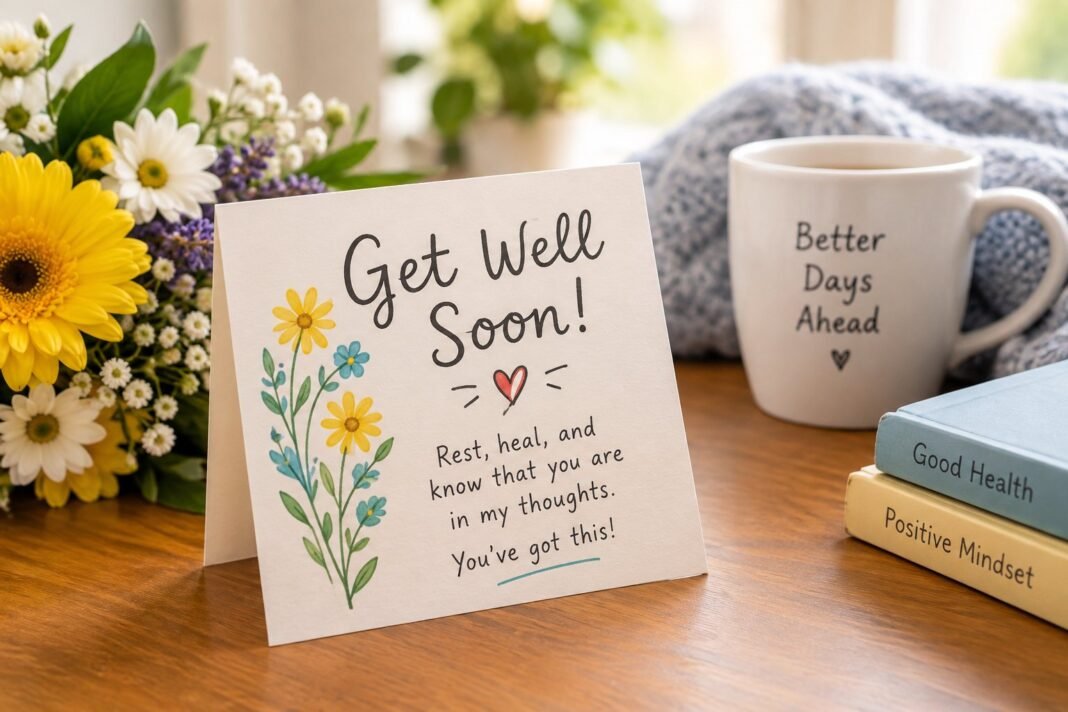
Sending a get well card is a simple but meaningful way to show someone that you care about their health, well-being, and recovery. When someone is sick, recovering from an injury, or facing a difficult health situation, a thoughtful message can offer emotional comfort and encouragement. Even a few sincere words can help someone feel remembered, supported, and less alone during a challenging time.
Get well cards are not only about wishing someone a quick recovery. They also create an opportunity to express kindness, friendship, love, and concern. Whether the recipient is a close family member, a friend, a coworker, or someone you know casually, choosing the right words can make the message more personal and meaningful.
This blog post offers helpful guidance on what to put in a get well card. It will explore different ways to write caring, comforting, encouraging, and appropriate messages for various situations. You will learn how to choose the right tone, personalize your words, and avoid phrases that may sound insensitive or inappropriate. With the right message, your get well card can become a small but powerful reminder that someone is thinking of the recipient and wishing them strength, comfort, and a smooth recovery.
What to Put in a Get Well Card for a Friend
Knowing what to put in a get well card for a friend can sometimes be difficult, especially when you want your words to feel sincere and personal. A thoughtful card can provide comfort, encouragement, and a reminder that your friend is not facing their recovery alone. The most meaningful messages usually come from genuine feelings rather than complicated or formal language.
When writing a get well card, consider your friendship and the personality of the person receiving it. You can express your concern, wish them a smooth recovery, and let them know that you are thinking about them. If appropriate, adding a little humor can also make the message feel warm and uplifting. However, it is important to keep the tone respectful and avoid jokes that could make your friend uncomfortable.
A good message can also offer practical support, such as letting your friend know that you are available if they need anything. Encouraging them to rest and take their time recovering can provide additional reassurance.
Whether your message is short, funny, emotional, or encouraging, focus on making it personal. A few honest words can brighten your friend’s day and remind them how much their friendship means to you.
what to put in a get well card after an operation
Knowing what to put in a get well card after an operation can help you choose words that bring comfort, encouragement, and reassurance during recovery. After surgery, a person may be dealing with pain, tiredness, limited movement, or emotional stress, so a thoughtful card can remind them that they are cared for and supported.
A good post-operation message should focus on kindness and patience. You can acknowledge that they have been through a challenging experience and wish them steady progress in the days ahead. Simple expressions of support, such as letting them know you are thinking about them, can make the message feel sincere without being overwhelming.
It is also helpful to encourage the recipient to get plenty of rest and take recovery one day at a time. Rather than focusing on how quickly they should recover, choose positive words that recognize their need for patience and self-care. If you have a close relationship with the person, you can make the card more personal by adding a warm memory, a gentle joke, or an offer to help.
Whether the operation was minor or major, the most important part of a get well card is genuine care. A few thoughtful sentences can provide emotional encouragement and help the recipient feel supported throughout their recovery journey.
Traditional Messages for Get Well Cards
Traditional messages for get well cards remain a thoughtful way to express care, encouragement, and hope when someone is experiencing illness or recovering from an injury. These messages are usually simple, warm, and positive, making them suitable for friends, family members, coworkers, or acquaintances. Common phrases such as “Get well soon,” “Wishing you a speedy recovery,” and “Hope you feel better soon” communicate genuine concern without requiring complicated words.
The significance of these traditional phrases comes from their ability to provide emotional support during a difficult time. A short message can remind someone that they are remembered and cared for. Positive words can also bring comfort and encouragement while the person focuses on resting and recovering.
Traditional get well messages can be adapted depending on the relationship with the recipient. For a close friend or family member, the message can sound personal and affectionate. For a colleague or acquaintance, a respectful and encouraging tone may be more appropriate. Messages such as “Thinking of you and wishing you better health,” “Take good care of yourself,” or “Sending you warm wishes for a quick recovery” are timeless choices. The most important part is expressing sincere concern and keeping the message hopeful, kind, and supportive.
Alternative Phrases to “Get Well Soon”
While “Get Well Soon” is a common and caring phrase, sometimes you may want to choose different words to make your message feel more personal and thoughtful. Using an alternative phrase can help you express genuine concern while matching the recipient’s personality and situation. A meaningful message does not have to be complicated. Simple words that communicate care, encouragement, and support can often have the greatest impact.
Creative alternatives can focus on wishing someone comfort, strength, peace, or a smooth recovery. You might express that you are thinking of them, hoping each day brings more strength, or wishing them plenty of rest and healing. These phrases can make a get well card sound warmer and less repetitive.
The best alternative depends on the context and your relationship with the person. For a close friend or family member, you can use warm and personal language that reflects your emotional connection. For a coworker or professional acquaintance, a respectful and positive message may be more appropriate. If someone is dealing with a serious illness, gentle words of support are usually better than overly cheerful expressions.
When deciding what to put in a get well card, consider the recipient’s feelings, circumstances, and personality. Choosing the right alternative can make your message sincere, comforting, and memorable.
Writing a thoughtful get well card is a simple way to show care and emotional support to someone who is going through an illness or recovery. For additional guidance on expressing empathy and supporting someone during a difficult time, readers can explore helpful resources from trusted organizations such as the CDC, which provides reliable health information and practical guidance for patients and families. You can also visit the American Psychological Association for information about emotional well-being, coping, and supportive communication. Using reliable health and wellness resources alongside a sincere personal message can help you choose words that are encouraging, respectful, and appropriate for your friend’s situation.
Heartfelt Messages for Quick Recovery
Heartfelt messages can bring comfort, encouragement, and emotional support to someone who is recovering from an illness, injury, or difficult health situation. A thoughtful message does more than simply say “get well soon.” It shows the person that you are thinking about them and genuinely care about their recovery.
Personalization makes a recovery message feel more meaningful. Consider the person’s relationship with you, their personality, and what they may need to hear during this time. A close friend may appreciate a warm and encouraging message, while a colleague or acquaintance may prefer something simple and respectful. Mentioning their strength, offering support, or reminding them to rest can create a stronger emotional connection.
Nice recovery messages should communicate hope, patience, and care without putting pressure on the person to recover quickly. Words such as “Take all the time you need to heal” or “I’m thinking of you and wishing you strength every day” can provide reassurance.
A sincere message can also remind someone that they are not alone. Whether sent through a card, text, email, or social media, a few caring words can brighten their day and encourage a positive mindset during recovery.
FAQ
Knowing what to write in a get well card can sometimes be difficult, especially when you want your words to feel sincere and comforting. A thoughtful message should show that you care while giving the recipient encouragement during their illness or recovery. You can keep your message simple, warm, and personal by mentioning that you are thinking of them and hoping they feel stronger each day.
If you want to write something different from “Get Well Soon,” there are many alternatives that express care without sounding repetitive. You can wish someone comfort, strength, peace, healing, or a smooth recovery. The best wording depends on the person’s situation and your relationship with them.
A nice message for a quick recovery should be positive without putting pressure on the person to recover immediately. You can also combine caring words such as “take care” with a sincere wish for better health.
For a more unique get well wish, personalize the message with a kind memory, encouraging thought, or supportive statement. When writing to someone already in recovery, recognize their progress and remind them to take things one day at a time. Ultimately, the most meaningful message is one that feels genuine, compassionate, and appropriate for the recipient.
Conclusion
Thoughtful messages can make a get well card much more meaningful. When someone is sick, recovering from an injury, or going through a challenging period, a few sincere words can provide comfort, encouragement, and emotional support. A well-chosen message lets the recipient know that they are remembered, cared for, and surrounded by people who genuinely want to see them feel better.
The best get well messages do not need to be complicated or overly long. What matters most is the sincerity behind the words. A simple expression of care, a hopeful thought, or a reminder that you are available to help can bring encouragement during a difficult time. Personalizing the message based on your relationship with the recipient can make it even more special and memorable.
When writing a get well card, focus on expressing genuine sentiments rather than searching for perfect words. Think about what the person might appreciate hearing and choose language that feels natural to you. Whether your message is warm, cheerful, supportive, or heartfelt, let it reflect your true feelings. A sincere get well card can offer a small but meaningful source of happiness and hope while someone is on the path to recovery.