

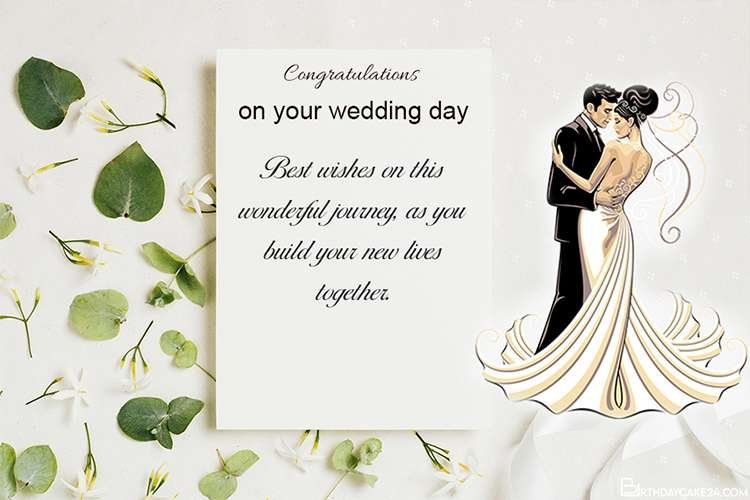
A wedding is one of the most meaningful moments in a person’s life. It marks the beginning of a new chapter built on love, companionship, trust, and shared dreams. When someone you care about gets married, offering sincere congratulations is a simple but meaningful way to celebrate their happiness and show that you are thinking of them.
Many people know they want to send good wishes but struggle to find the right words. They may wonder whether the message should be formal, emotional, short, funny, religious, or personal. The answer depends on your relationship with the couple, the setting, and the way you plan to share your message.
The best wedding congratulations message does not need complicated language. It should be genuine, positive, respectful, and suitable for both people in the relationship. A thoughtful message can be written in a wedding card, sent through a text message, shared on social media, delivered in person, or included in a speech.
If you are asking, “How do you congratulate someone on their wedding?” the simplest answer is to begin with sincere congratulations, express your happiness for the couple, and wish them a beautiful and fulfilling life together. A personal touch can make the message even more meaningfu
What Makes a Wedding Congratulations Message Meaningful?
l.
A meaningful wedding message focuses on the couple’s happiness rather than on the event alone. The wedding day may last only a few hours, but marriage represents a long journey filled with shared responsibilities, important decisions, difficult moments, celebrations, and personal growth. Your message should recognize the significance of that journey.
Sincerity is more important than perfect wording. You do not need to sound poetic or create a long speech. Even a few honest sentences can leave a lasting impression when they express genuine affection and goodwill.
A good message usually includes three important elements. It begins with congratulations, continues with a warm wish for the couple’s future, and ends with a personal or affectionate closing. This structure makes it easier to write naturally without making the message sound incomplete.
The relationship you have with the couple should guide your tone. A message for a close friend may be relaxed and emotional, while a message for a coworker may be polite and professional. A family member may appreciate a deeper expression of love and pride.
It is also important to address both partners. Even if you know only one person well, the wedding celebrates their union. Including both people makes the message feel thoughtful and welcoming.
How Do You Congratulate Someone on Their Wedding?
The most natural way to congratulate someone on their wedding is to clearly acknowledge the occasion and express happiness for the couple. Begin with words such as congratulations, best wishes, or warmest wishes. These openings immediately communicate that you are celebrating their marriage.
After the opening, mention what you hope their life together will include. You may wish them love, peace, patience, companionship, laughter, health, prosperity, or many happy memories. Choose words that fit the couple and your relationship with them.
A personal message can make your congratulations feel less generic. You might mention how happy you are to see them together, how much you admire their relationship, or how excited you are about their future. A sincere observation is often more valuable than a dramatic phrase.
Your message should remain positive and forward-looking. A wedding is not the right time to discuss past relationships, personal disagreements, financial concerns, or fears about marriage. Even if you intend to be humorous, the central feeling should remain warmth and support.
You can also express appreciation for being included in the celebration. If you are attending the wedding, acknowledging the privilege of sharing the day can add a gracious touch. If you cannot attend, you can still let the couple know that you are celebrating their happiness from a distance.
The closing should match your relationship with the couple. Close friends and family members may use affectionate language, while coworkers or acquaintances may choose a more formal sign-off. Finally, sign your name clearly so the couple knows who sent the message.
Choosing the Right Tone
The tone of your wedding message should reflect the level of closeness between you and the couple. Choosing the right tone helps your words feel natural rather than forced.
A warm and heartfelt tone is suitable for close friends, siblings, parents, children, and other loved ones. This style allows you to express emotion, pride, gratitude, and affection. You can write about the couple’s bond and the happiness you feel for their future.
A formal tone works well for coworkers, teachers, professional contacts, community members, and people you do not know very closely. Formal wedding wishes should be respectful, polished, and positive without becoming distant or cold.
A casual tone is appropriate for friends and relatives who prefer relaxed communication. Casual language can sound more natural in a text message or social media post. However, casual does not mean careless. The message should still show respect for the importance of the occasion.
A humorous tone can work when you know the couple’s personality and sense of humor. Light humor may make a message memorable, but it should never embarrass either partner. Avoid jokes that question the strength of the marriage or suggest that the couple will regret getting married.
A religious tone may be meaningful when the couple openly shares the same faith or has chosen a religious wedding ceremony. If you are uncertain about their beliefs, choose inclusive language that focuses on love, blessings, peace, and happiness.
Writing a Wedding Card Message
A wedding card gives you more space than a quick text, so you can make the message slightly more personal. Begin by addressing both newlyweds by their names or by using a respectful phrase for the couple.
Your first sentence should congratulate them on their marriage. The next part can express your happiness, gratitude, or admiration. You can then share a positive wish for their married life and close with a warm sign-off.
A handwritten message often feels especially personal because it shows that you took time to write directly to the couple. Your handwriting does not need to be perfect. What matters is that the message is clear, thoughtful, and sincere.
If you are giving a gift with the card, there is no need to mention its price or place emphasis on its monetary value. The focus should remain on the couple and the joy of their wedding. A brief note about the gift is enough if it is relevant.
Addressing both partners is considered a thoughtful practice in wedding card writing. If you are unsure whether one person will change their surname, use both first names or address the message to the newlyweds. This avoids making assumptions about their personal choices.
A wedding card message does not need to fill every available line. A concise paragraph can be more effective than a long message filled with repeated wishes. Aim for a message that sounds like something you would genuinely say to the couple.
Congratulating a Close Friend
When a close friend gets married, you can write with more emotion and personality. Your message may reflect the history of your friendship and your happiness at seeing your friend begin a new chapter.
A close friend may appreciate hearing that you are proud of them, excited for their future, and grateful to have witnessed their relationship grow. You can mention the qualities that make the couple strong, such as kindness, patience, loyalty, humor, or mutual respect.
Your message can also recognize the importance of the friendship. Let your friend know that marriage does not erase the bond you share. At the same time, avoid making the message entirely about your friendship. The wedding message should celebrate the couple as a pair.
The most effective messages for close friends balance affection with respect. You can be emotional without becoming overly dramatic, and you can be casual without sounding dismissive. Let your natural voice guide the writing.
If you decide to include humor, choose something gentle and affectionate. A private reference may be appropriate if it will be understood and appreciated by both partners. Avoid jokes that could make one person feel uncomfortable in front of family or guests.
Congratulating a Family Member
A wedding message for a family member often carries a special emotional meaning. Whether the person is your sibling, child, cousin, niece, nephew, or another relative, your message can express pride and happiness for their new life.
Family messages may include memories from childhood, appreciation for the person’s character, and hopes for the future. However, avoid including stories that embarrass the couple or distract from the importance of the day.
Parents may wish to express how proud they are of their son or daughter. Siblings may write about shared experiences and excitement about welcoming a new member into the family. Extended relatives can offer warmth, encouragement, and blessings.
The message should also make the new spouse feel included. Do not write as though the wedding involves only your relative. A marriage brings two families and two lives together, so your words should welcome both partners.
Family relationships can sometimes be complicated. If you are not very close to the couple, a respectful and positive message is still appropriate. You do not need to pretend to feel something that is not true. Simple kindness and goodwill are enough.
Congratulating a Coworker
A wedding message for a coworker should be friendly, respectful, and appropriate for a professional relationship. You can congratulate them on the marriage and wish them happiness without including deeply personal details.
If several coworkers are signing the same card, keep your message concise so everyone has room to write. A group message can express the team’s happiness and best wishes for the couple’s future.
When writing to a manager, supervisor, teacher, or professional contact, a polite tone is usually best. Avoid overly familiar language unless you already have a close personal friendship outside the workplace.
A coworker message can also acknowledge the excitement of the new chapter. Words about happiness, partnership, balance, and wonderful memories are generally suitable in a professional setting.
Avoid making comments about how marriage may affect the person’s work schedule, availability, or performance. The wedding is a personal milestone, and your message should keep the attention on their happiness.
Congratulating Someone by Text Message
Text messages are a convenient way to congratulate someone, especially when you cannot attend the wedding in person. A good wedding text should be brief but meaningful.
Start by recognizing the wedding and expressing your happiness. If you know the couple well, add a personal sentence. You may mention how excited you are for their future or how sorry you are to miss the celebration.
A text message should not be so short that it feels careless. A simple greeting followed by a sincere wish is usually enough. Emojis can be appropriate when they match your usual communication style and your relationship with the couple.
Timing also matters. Sending a message on the wedding day is natural, but you can also send congratulations shortly before or after the ceremony. If you forgot to send a message immediately, it is still better to send a sincere late message than to remain silent.
If you cannot attend, avoid giving a long explanation. Briefly acknowledge your absence and focus on congratulating the couple. The message should not make them feel responsible for comforting you.
Congratulating Someone on Social Media
Social media congratulations are usually public, so the wording should be positive, respectful, and suitable for a wider audience. You can comment on a wedding photograph, respond to an announcement, or publish a message of your own.
A social media message should celebrate the couple without revealing private information. Do not mention sensitive details about their relationship, wedding plans, finances, or family unless they have already made those details public.
Keep the focus on their happiness and the beauty of the occasion. A short message can be effective when it expresses genuine excitement and good wishes.
If you are posting a photograph, make sure it is appropriate and that the couple would be comfortable with it being shared. Some couples prefer to control how their wedding images appear online.
Public messages should also avoid inside jokes that only a few people understand. A private message is a better place for personal humor or detailed memories. Social media comments should remain welcoming and celebratory.
Congratulating Someone in Person
When you congratulate the couple in person, your words can be simple because your facial expression and tone also communicate your feelings. Smile, make eye contact, and speak warmly.
At a busy wedding reception, the couple may have limited time with each guest. A brief, sincere greeting is often more appropriate than a long conversation. You can congratulate them, mention how wonderful the ceremony was, and wish them a happy future.
If you are speaking to one partner, remember to congratulate both. This is especially important when you know one person much better than the other.
Avoid interrupting important moments, such as photographs, speeches, meals, or private conversations. Wait for a suitable opportunity to offer your wishes.
If you are nervous, prepare a sentence in advance. You do not need to deliver an elaborate speech. A calm and sincere expression of happiness is more than enough.
Congratulating Someone Whose Wedding You Missed
Sometimes you cannot attend a wedding because of distance, illness, work, financial limitations, or personal responsibilities. Missing the event does not prevent you from sending thoughtful congratulations.
If you were invited but could not attend, acknowledge your absence briefly. Do not make the entire message an apology. The purpose is to celebrate the couple, not to focus on why you were not there.
You can send a card, message, gift, or phone call. Choose the method that best suits your relationship with the couple and the circumstances surrounding the wedding.
If you were unable to attend unexpectedly, contact the couple when appropriate. A sincere message after the wedding can still be meaningful, especially when it communicates that you were thinking of them.
Do not expect the couple to provide a detailed account of every part of the wedding immediately. Newlyweds are often busy after the ceremony. Give them time to respond and keep your message supportive.
Religious Wedding Congratulations
Religious wedding wishes can be meaningful when faith is an important part of the couple’s life. A message may refer to blessings, prayer, spiritual guidance, peace, or a sacred union.
Before including religious language, consider the couple’s beliefs and the style of their ceremony. If you are uncertain, use gentle and inclusive wording rather than making assumptions.
A religious message should focus on love, commitment, compassion, and a blessed future. It should not become a lesson or include controversial opinions about marriage.
If the couple had a traditional religious ceremony, a faith-based message may feel especially appropriate. If their ceremony was secular or if their beliefs are unknown, a nonreligious message is generally safer.
Respect is the most important principle. The message should honor the couple’s values rather than use the wedding as an opportunity to discuss your own beliefs.
Writing a Formal Wedding Message
Formal wedding messages are useful for professional contacts, distant relatives, community leaders, and ceremonial situations. They usually avoid slang, excessive humor, and highly personal stories.
A formal message can still be warm. Polite phrases expressing congratulations, happiness, respect, and best wishes are enough to create a gracious tone.
Use the couple’s preferred names and titles when you know them. If you are uncertain about titles or surnames, using their first names may be more appropriate than making an assumption.
Formal messages are also useful when a group is sending a card. The wording should be inclusive and professional so that it represents everyone who signs the card.
Keep the message focused on the marriage and the couple’s future. Avoid discussing private details that may not be appropriate in a formal relationship.
Using Humor Carefully
Humor can make a wedding message memorable, but it requires judgment. The couple’s personality, the audience, and your relationship with them should all influence whether humor is appropriate.
Good wedding humor is affectionate and harmless. It may refer to everyday married life, shared interests, or the joy of beginning a new adventure together.
Avoid jokes about divorce, cheating, arguments, regret, in-laws, money, or the marriage failing. These subjects can be hurtful even when presented as humor.
Do not use humor to criticize either partner. A wedding message should not make one person the target of the joke or suggest that they are losing their freedom.
When in doubt, choose warmth over comedy. A sincere message is always safer than a joke that may not be understood in the way you intended.
What to Avoid in a Wedding Message
Some topics are inappropriate for wedding congratulations because they can create discomfort or sadness. The safest approach is to keep the message positive and centered on the couple.
Do not mention past romantic relationships. References to ex-partners can make the couple or their guests uncomfortable and can distract from the celebration.
Avoid questions about children, pregnancy, or family planning. These are private matters and should never be assumed or discussed in a public wedding message.
Do not comment on the couple’s age, appearance, financial situation, or differences in background. Even a seemingly harmless observation can sound judgmental.
Avoid giving negative marriage advice. If you share advice, make sure it is encouraging and relevant. The couple should feel supported rather than warned about possible problems.
Do not make the message entirely about yourself. Your memories and feelings can add a personal touch, but the central focus should remain on the newlyweds.
Avoid copying a message without adapting it to the situation. Common wedding phrases are acceptable, but adding a personal sentence makes the message feel more genuine.
Making Your Message Personal
Personalization does not require a long story. A single specific detail can make a general message feel special.
You might mention the couple’s kindness toward each other, the way they support one another, or the happiness they bring to the people around them. These observations show that your wishes come from genuine attention.
A shared memory can also make a message meaningful. Choose a memory that reflects the couple’s relationship and will make them feel appreciated rather than embarrassed.
You can write about the qualities you hope continue throughout their marriage. Patience, communication, respect, friendship, trust, and laughter are all meaningful foundations for a lasting partnership.
Personalization should remain appropriate to the setting. A private detail may be suitable for a personal card but inappropriate for a public social media post or workplace message.
The best personalized message sounds like your own voice. Do not use complicated words or dramatic expressions if they do not reflect how you normally communicate.
Wedding Messages for Different Situations
Different wedding situations may require different kinds of congratulations. A second marriage, a small ceremony, a destination wedding, or a delayed celebration may call for slightly different wording.
For a second marriage, focus on the couple’s present happiness and future together. Avoid referring to the reasons for a previous marriage ending unless the person has directly invited that conversation.
For a small or private ceremony, congratulate the couple on their marriage without suggesting that the event was less important because it was not large. Every couple has the right to celebrate in a way that reflects their preferences.
For a destination wedding, you may mention the special location if it is appropriate. However, the main message should still center on love and marriage rather than travel or expense.
For a delayed wedding celebration, congratulate the couple on the marriage and the opportunity to celebrate with loved ones. Avoid treating the delay as a negative event.
For a couple who has been together for many years before marrying, recognize the depth of their relationship without implying that the wedding came too late. Their shared history can be honored positively.
Wedding Congratulations for a Newly Married Couple
After the ceremony, you can still congratulate the couple on their wedding. They may be receiving messages for several days or weeks after the event.
Post-wedding messages can mention the beauty of the celebration, the joy of seeing them together, and your hopes for their married life. If you saw photographs, you may compliment the atmosphere or the happiness shown in them.
A message after the wedding can also be useful if you were unable to speak with the couple during the event. Weddings are often crowded, and not every guest gets enough time for a meaningful conversation.
You can congratulate the couple when they return from their honeymoon or begin their new routine. The excitement of marriage continues beyond the wedding day.
Avoid asking immediately about private details of their honeymoon or home life. Let the couple share what they are comfortable discussing.
How Long Should a Wedding Message Be?
The ideal length depends on the format and your relationship with the couple. A text message may be one short paragraph, while a wedding card can include several sentences.
A message should be long enough to express genuine congratulations and a meaningful wish. It should not become so long that the main sentiment is lost.
Close friends and family members may write longer messages because they have more shared history. Coworkers and acquaintances can keep their wishes brief and polished.
If you are writing in a guest book, space may be limited. Choose a concise sentence that the couple will enjoy reading later.
If you are preparing a wedding speech, the message can be longer, but it should still remain focused. Avoid telling too many unrelated stories or speaking for so long that the audience loses interest.
FAQ
How do you congratulate someone on their wedding?
Begin by saying congratulations and address both partners. Express your happiness for them, wish them love and happiness in married life, and add a personal sentence when appropriate.
What should I say to a newly married couple?
You can wish the couple a happy life together and mention qualities such as love, trust, peace, laughter, and companionship. The exact wording should match your relationship with them.
Is it better to send a card or a text?
Both are appropriate. A card is often more personal and traditional, while a text is convenient and useful when you cannot attend the wedding or want to send immediate congratulations.
Can I use humor in a wedding message?
Yes, but only when the humor is kind and suitable for the couple. Avoid jokes about divorce, cheating, regret, arguments, or the marriage ending.
Should I address both partners?
Yes. Addressing both partners helps them feel equally included and shows respect for their marriage.
What if I do not know the couple very well?
Use a polite and positive message. You can congratulate them on their marriage and wish them happiness, peace, and a wonderful future together.
Should a wedding message mention children?
It is usually best to avoid mentioning children or pregnancy unless the couple has clearly shared that information and you know it is welcome. Family planning is private.
How can I make a generic wedding wish more personal?
Add one sincere observation about the couple, a positive memory, or a specific hope for their future. Even a single personal sentence can make a difference.
What should I write if I cannot attend the wedding?
Congratulate the couple warmly, briefly acknowledge that you could not attend, and explain that you are celebrating their happiness from afar. Keep the focus on their special occasion.
Is religious language always appropriate?
Religious language is appropriate when it reflects the couple’s beliefs or ceremony. If you are uncertain, choose inclusive wording about love, peace, blessings, and happiness.
Final Thoughts
The answer to “How do you congratulate someone on their wedding?” is simple: speak with sincerity, kindness, and respect. You do not need to write a perfect poem or use impressive language. A genuine message that celebrates the couple and wishes them a happy future will always be meaningful.
Think about your relationship with the newlyweds before choosing your tone. A close friend may appreciate emotional words and personal memories, while a coworker may prefer a polished and professional message. When the couple’s beliefs, preferences, or sense of humor are uncertain, choose a warm and inclusive approach.
Remember to address both partners, avoid sensitive subjects, and keep the focus on their love and future together. Whether you write a card, send a text, leave a social media comment, or congratulate them in person, your thoughtful words can become a cherished part of their wedding memories.
A wedding congratulations message does not need to be long to be powerful. It only needs to be honest, appropriate, and filled with good wishes for the life the couple is beginning together. The most important thing is to let them know that their happiness matters to you.
Etiquette guidance in this article reflects commonly recommended practices such as addressing both partners, keeping wishes positive, personalizing the message, and avoiding jokes about divorce or sensitive topics.[brides][minted]