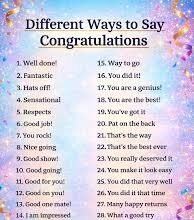



A congratulatory message is a thoughtful way to celebrate someone’s success, happiness, progress, or important life event. When a person achieves something meaningful, a few sincere words can make the moment even more special. Whether the achievement is academic, professional, personal, or social, a warm message shows that you recognize the person’s effort and feel genuinely happy for them.
People often send congratulations when someone graduates, receives a promotion, starts a new job, gets married, welcomes a baby, wins an award, completes an important project, or reaches a personal goal. These moments deserve recognition because they often represent months or years of hard work, patience, courage, and determination. A well-written message can communicate appreciation and encouragement in a simple but memorable way.
Writing a congratulatory message does not always require complicated language. The most important qualities are sincerity, relevance, and warmth. A message becomes meaningful when it reflects the occasion and the relationship between the sender and the recipient. A formal message may be suitable for a colleague or business partner, while a more emotional message may be appropriate for a close friend or family member.
The best messages are usually clear and personal. They do not need to be extremely long, but they should communicate genuine happiness for the recipient. A thoughtful message can acknowledge the achievement, recognize the effort behind it, and express positive wishes for the future. When these elements come together naturally, the message feels authentic instead of ordinary.
Understanding the Meaning of a Congratulatory Message
A congratulatory message is a written or spoken expression of happiness and approval offered to someone who has achieved something or experienced a joyful event. It is a form of positive communication that allows people to share another person’s happiness. The message may be delivered through a greeting card, text message, email, letter, social media post, speech, or personal conversation.
The purpose of such a message is not only to say congratulations. It is also a way to show attention, respect, affection, encouragement, and support. When someone receives recognition from others, they often feel more valued and motivated. This is why congratulatory messages are important in both personal and professional relationships.
A successful message should match the significance of the occasion. A major achievement may require a more detailed and emotional message, while a small but meaningful success may only need a few cheerful words. The length is less important than the feeling behind the message. Even a short statement can have a strong effect when it is sincere and appropriate.
The relationship between the sender and recipient also influences the tone. Messages to close relatives may include affection and emotional language. Messages to friends may be relaxed and friendly. Messages to teachers, employers, clients, or colleagues should usually remain respectful and professional. Understanding this difference helps the writer avoid language that feels too distant or too familiar.
Why Congratulatory Messages Matter
Celebrating another person’s success strengthens relationships. When people take time to acknowledge someone’s achievement, they show that they care about the person’s progress. Recognition creates a sense of connection and reminds the recipient that their efforts have been noticed.
Many achievements require sacrifice. A student may spend long hours studying, a professional may work through difficult challenges, and a parent may overcome many obstacles while caring for a family. The final success may look simple to others, but it often carries a long history of effort. A congratulatory message gives the recipient a chance to feel that this journey has been appreciated.
Positive words can also increase confidence. People sometimes doubt their abilities, especially when they are preparing for a new stage in life. Encouraging messages remind them of their strengths and help them approach future challenges with greater courage. Recognition does not remove difficulties, but it can provide emotional support when it is needed.
Congratulatory messages also contribute to a culture of kindness. In homes, schools, workplaces, and communities, regular appreciation creates a more positive environment. People become more willing to support one another when achievements are celebrated rather than ignored. A simple message can therefore have an influence beyond the individual occasion.
The Main Elements of a Good Message
A meaningful congratulatory message usually contains several basic elements. It should begin with clear recognition, identify the achievement when appropriate, acknowledge the effort involved, express genuine happiness, and end with good wishes. These elements do not need to appear in a strict order, but they should work together naturally.
The opening should make the purpose of the message immediately clear. Directly expressing congratulations creates a positive tone from the beginning. It also prevents the recipient from wondering why the message was sent. A warm opening helps the rest of the message feel confident and enthusiastic.
Mentioning the specific achievement gives the message a personal quality. General praise can sometimes sound automatic, especially when many people use the same words. Referring to the actual milestone shows that the sender understands what happened and has taken an interest in the recipient’s success.
Recognizing effort is another important part of a strong message. Success is rarely the result of luck alone. It often comes from discipline, patience, preparation, creativity, or persistence. Mentioning these qualities allows the recipient to feel respected for the journey as well as the final result.
The message should also communicate genuine happiness. Words that express pride, joy, admiration, or appreciation make the message emotionally stronger. However, the language should remain natural. Excessive praise can feel uncomfortable if it does not match the relationship or occasion.
A positive closing gives the message a sense of completion. Future-oriented wishes can encourage the recipient to continue growing and achieving. The closing may focus on success, happiness, health, peace, confidence, or new opportunities, depending on the situation.
Choosing the Right Tone
Tone is one of the most important aspects of writing a congratulatory message. The same achievement may be celebrated in different ways depending on who receives the message. Choosing the right tone makes the message feel respectful and appropriate.
A formal tone is suitable for professional settings and official occasions. It generally uses polite language, avoids slang, and focuses on achievement, dedication, and future success. Formal writing should sound warm without becoming overly emotional. It should also avoid jokes or personal comments that may not be suitable for the relationship.
A friendly tone works well when writing to classmates, neighbors, teammates, or acquaintances. This style can be more relaxed while still remaining thoughtful. Friendly language should sound natural and positive, but it should not become careless or overly casual if the achievement is highly significant.
An emotional tone is appropriate for close family members and lifelong friends. These messages may include pride, affection, gratitude, and shared memories. Emotional writing can be powerful because it reflects the deeper relationship between the sender and the recipient. Still, it is important to avoid exaggerated language that does not feel genuine.
A cheerful tone is useful for joyful occasions and social media posts. It can create energy and excitement through positive wording. Cheerful messages are often shorter and more direct, but they should still mention the achievement or milestone clearly.
The best tone is the one that feels natural for both people. Writers should consider their relationship, the recipient’s personality, the seriousness of the event, and the communication platform before choosing their words.
Personalizing the Message
Personalization makes a congratulatory message more memorable. A message that includes the recipient’s name, achievement, qualities, or journey feels more meaningful than a message that could be sent to anyone. Personalization demonstrates that the writer has invested time and thought into the communication.
One of the easiest ways to personalize a message is to mention the specific milestone. This may involve recognizing a degree, promotion, award, completed project, personal goal, or important transition. The detail does not need to be lengthy. Even a brief reference can make the message feel more connected to the occasion.
The writer can also mention a quality that contributed to the success. Dedication, patience, courage, creativity, leadership, and resilience are all qualities that may deserve recognition. Identifying one or two relevant qualities is usually more effective than listing many compliments.
Shared experiences can add emotional depth when the relationship is close. The writer may refer to challenges that the recipient overcame or moments when the goal seemed difficult. This kind of reference shows that the sender understands the effort behind the achievement.
Personalization should remain respectful. Writers should avoid mentioning private struggles, sensitive information, or embarrassing details unless they are certain the recipient would appreciate it. A message should celebrate the person, not expose them.
Writing for Academic Achievements
Academic achievements are important milestones because they often reflect sustained effort and commitment. Graduation, examination results, scholarships, research accomplishments, and academic awards all deserve thoughtful recognition. A suitable message should acknowledge both the result and the discipline required to reach it.
Students often face pressure, competition, and uncertainty during their academic journey. A congratulatory message can remind them that their effort has produced something valuable. It can also encourage them to approach future educational or professional opportunities with confidence.
When writing for an academic achievement, the message should avoid focusing only on marks or rankings. Academic success may also involve improvement, perseverance, creativity, leadership, or the ability to overcome obstacles. Recognizing these qualities makes the message more supportive and inclusive.
The message may also acknowledge the beginning of a new stage. Graduation, for instance, often marks a transition into higher education, employment, or independent life. A positive closing can express hope for the recipient’s future while respecting the uncertainty that comes with change.
Academic congratulations should remain encouraging rather than competitive. Comparing the recipient with other students can reduce the warmth of the message. The focus should remain on the individual’s journey and achievement.
Writing for Professional Success
Professional achievements include promotions, new jobs, business milestones, awards, successful projects, leadership roles, and career transitions. These occasions require a message that recognizes competence and dedication while maintaining an appropriate level of professionalism.
A professional congratulatory message should be clear and respectful. It may acknowledge the recipient’s contribution, reliability, leadership, creativity, or expertise. The writer should choose words that reflect the workplace relationship and the importance of the accomplishment.
When writing to a colleague, the message can express appreciation for the person’s contribution to the team. When writing to a supervisor or business partner, a more formal style may be appropriate. When writing to an employee, the message can combine recognition with encouragement for future growth.
Professional messages should avoid unnecessary personal details. They should also avoid language that could sound exaggerated or insincere. A balanced message recognizes the success confidently while maintaining credibility.
A strong professional message often looks ahead. It may express confidence that the recipient will perform well in the new role or continue to contribute positively. This future-focused approach makes the message both celebratory and encouraging.
Writing for Weddings and Engagements
Weddings and engagements are deeply personal occasions that celebrate love, partnership, and the beginning of a shared future. A congratulatory message for these events should be warm, respectful, and joyful. It should focus on happiness, companionship, understanding, and lasting affection.
The tone should reflect the closeness of the relationship. Family members may write with strong emotion and personal warmth, while colleagues or acquaintances may choose a more formal expression of good wishes. In either case, the message should respect the couple’s happiness and avoid inappropriate humor.
Messages for weddings and engagements should be positive and hopeful. Good wishes may focus on mutual respect, communication, trust, peace, and shared memories. The wording should celebrate the present while expressing happiness for the future.
Writers should avoid making assumptions about the couple’s private life. They should also avoid comparing the relationship with other marriages or offering unsolicited advice. The purpose of the message is to celebrate, not instruct.
Writing for the Birth of a Baby
The arrival of a baby is a meaningful family occasion filled with excitement and change. A congratulatory message should express happiness for the parents and warmly welcome the new member of the family. It may also recognize the beginning of a new chapter in the parents’ lives.
A suitable message can focus on love, health, joy, patience, and family happiness. New parents often experience both excitement and exhaustion, so supportive language can be especially meaningful. A kind message can remind them that their friends and relatives are thinking of them.
Writers should be sensitive when discussing the birth experience, the baby’s appearance, or parenting choices. Avoiding assumptions makes the message safer and more respectful. The focus should remain on happiness, support, and positive wishes.
The message does not need to be complicated. A sincere expression of joy, combined with warm wishes for the family, is usually enough. The most important quality is kindness.
Writing for Personal Milestones
Not every achievement is publicly recognized. People may reach personal goals involving health, confidence, recovery, creativity, independence, or emotional growth. These milestones can be just as important as academic or professional accomplishments.
A personal achievement may not have an official title or certificate, but it often requires great courage. A congratulatory message can validate the effort and show the recipient that their progress matters. This type of recognition may be especially meaningful when the person has worked quietly or faced difficulties privately.
The writer should avoid minimizing the achievement. Statements that suggest the milestone was easy or ordinary can make the recipient feel misunderstood. Instead, the message should recognize the significance of the progress from the recipient’s perspective.
Personal milestones may require a more sensitive tone. Some achievements are connected with difficult experiences, so the writer should choose language carefully. Respectful encouragement is usually more appropriate than loud or exaggerated celebration.
Writing Short Messages
Short congratulatory messages are useful for text messages, cards, online comments, and quick personal notes. Their limited length does not prevent them from being meaningful. The writer simply needs to use direct and sincere language.
A short message should usually contain three things: recognition, positive emotion, and a good wish. There is no need to explain every detail of the achievement. Clear wording often creates a stronger impact than a long sentence filled with unnecessary expressions.
The message should avoid becoming so brief that it sounds careless. A single word may not communicate enough feeling unless the relationship and context are very close. Adding one personal detail or future wish can make even a short message feel complete.
Short messages are especially effective when they sound natural. Writers should avoid forcing complex vocabulary into a small space. Simple words often carry the most emotional weight.
Writing Long and Heartfelt Messages
A longer message is suitable for letters, cards, speeches, milestone celebrations, and close personal relationships. It provides room to describe the recipient’s journey and express deeper emotions. However, length should always serve the message rather than become an end in itself.
A heartfelt message can begin by recognizing the occasion and expressing happiness. It can then describe the recipient’s qualities or the effort behind the achievement. The writer may explain why the success is deserved and how it has affected the people around them.
The middle of the message can include personal reflection. The writer may discuss the recipient’s growth, determination, or ability to overcome challenges. This section should remain focused on the recipient instead of becoming a story about the sender.
The final part should offer encouragement and future wishes. It may express confidence in the recipient’s abilities or hope that the achievement opens new opportunities. A warm closing leaves the reader with a sense of support and optimism.
Long messages should still be organized. Repeating the same congratulations several times can make the writing feel artificial. Each paragraph should add a new thought or emotional layer.
Formal Congratulatory Writing
Formal congratulatory writing is common in workplaces, schools, organizations, official events, and business communication. This type of message should maintain courtesy and professionalism while still expressing genuine appreciation.
A formal message often begins with a respectful greeting and a direct acknowledgment of the achievement. The writer may then mention the recipient’s dedication, professionalism, or contribution. The closing can include wishes for continued success and progress.
Formal messages should avoid slang, overly casual expressions, and excessive emotional language. They should also be checked carefully for spelling, grammar, names, titles, and dates. Small errors can reduce the credibility of an otherwise thoughtful message.
The message should be neither cold nor overly familiar. Professional warmth is the ideal balance. The recipient should feel respected and appreciated without feeling that the writer has crossed personal boundaries.
Congratulating Someone on Social Media
Social media congratulations are often public, brief, and visible to a wide audience. Because many people may read the message, the wording should be positive and respectful. It should not reveal private information or make jokes that could embarrass the recipient.
A social media post can mention the achievement clearly and express pride or happiness. The writer may also use an enthusiastic tone if it suits the recipient and platform. However, the message should not appear to compete with the achievement or draw attention away from the person being celebrated.
Public messages should be carefully proofread. Incorrect names, titles, or details can cause embarrassment. Writers should also consider whether the recipient is comfortable with public recognition before posting.
A personal message may be more appropriate for sensitive achievements. Public congratulations are best when the event has already been shared openly or when the recipient clearly welcomes public celebration.
Cultural and Religious Sensitivity
Congratulatory messages may be influenced by culture, religion, family traditions, and social expectations. Language that feels warm in one community may not have the same meaning in another. Writers should consider the recipient’s background and preferences.
Religious wording should be used thoughtfully. It may be welcomed when the sender knows that it reflects the recipient’s beliefs. If the writer is uncertain, neutral language is often a respectful choice.
Cultural differences may also influence how openly people express emotion. Some recipients appreciate dramatic enthusiasm, while others prefer modest and restrained wording. A good message respects the recipient’s communication style.
Names, titles, family roles, and forms of address should be handled carefully. Correctly addressing someone demonstrates respect and attention. When in doubt, the writer should use the form of address that the recipient normally uses in formal or public communication.
Common Mistakes to Avoid
One common mistake is using a message that is too generic. General phrases can be useful, but they may sound copied when they do not refer to the occasion or recipient. Adding one specific detail can make the writing much more personal.
Another mistake is focusing on the difficulty of the achievement rather than the happiness of the moment. Although effort deserves recognition, the message should not remind the recipient of stress in a way that reduces the joy of the occasion.
Comparisons should also be avoided. Saying that someone is better than another person can create discomfort and shift attention away from the achievement. Positive recognition should stand on its own.
Humor requires careful judgment. A joke may be appropriate among close friends, but it can be unsuitable for formal occasions, sensitive milestones, or public posts. If the writer is uncertain, a sincere and respectful tone is safer.
Writers should avoid making the message entirely about themselves. Personal memories can be valuable, but the recipient should remain the central focus. The message is meant to celebrate their achievement.
Delayed congratulations can sometimes feel less meaningful, especially when the occasion is time-sensitive. Sending the message promptly shows attention and enthusiasm. If a delay is unavoidable, the writer can still acknowledge the occasion honestly and warmly.
Improving the Quality of the Writing
Good writing begins with understanding the recipient and the occasion. Before writing, the sender should consider what happened, why it matters, how the recipient may feel, and what kind of support would be meaningful. This preparation helps the message sound intentional.
The writer should use language that matches their normal voice. Trying to sound overly sophisticated can make the message feel unnatural. Clear and familiar wording often communicates emotion more effectively than complicated vocabulary.
Specific nouns and active verbs can make the writing stronger. Instead of relying on repeated adjectives, the writer can describe dedication, growth, leadership, effort, or courage. This creates a more vivid and credible message.
Sentence length should vary naturally. Short sentences can emphasize excitement, while longer sentences can express reflection. Breaking the message into paragraphs improves readability, especially when the message is longer.
Proofreading is essential. The writer should check the recipient’s name, the achievement, grammar, punctuation, and tone. A quick review can prevent mistakes that might distract from the intended meaning.
The Importance of Timing
Timing can influence how a congratulatory message is received. Sending a message soon after the achievement shows that the sender is attentive and genuinely interested. Immediate recognition often makes the celebration feel shared.
Some events require instant communication, while others allow for a more carefully prepared message. A text or online comment may be suitable for quick recognition, whereas a handwritten note or letter may be better for a major milestone.
If the message is sent late, it should still be sincere. The writer does not need to over-explain the delay. A warm acknowledgment and genuine good wishes are more important than a lengthy apology.
For planned events, messages can also be delivered during a celebration. A speech, card, or personal note may create a lasting memory. The communication method should suit both the occasion and the recipient.
Choosing the Communication Method
The method used to send a congratulatory message affects how it feels. Text messages are quick and convenient, while handwritten notes often feel more personal. Emails are useful for professional communication, and social media posts are suitable for public recognition when appropriate.
A phone call may be preferable when the achievement is highly emotional or important. Hearing someone’s voice can communicate warmth that written words sometimes cannot. In-person congratulations are often the most personal option when distance and circumstances allow.
The writer should select the method based on the recipient’s preferences. Some people enjoy public attention, while others prefer private messages. Respecting this preference is part of writing a thoughtful congratulations message.
The communication channel should also match the seriousness of the event. A casual online comment may be enough for a small achievement, but a major life milestone may deserve a more deliberate form of recognition.
Building a Lasting Positive Impression
A congratulatory message can remain meaningful long after the occasion has ended. People often remember who supported them during important moments. A message that expresses sincere pride and encouragement may become something the recipient keeps and rereads.
The strongest messages do not simply praise the final result. They recognize the person’s character and journey. This makes the communication more personal and lasting.
A message can also strengthen future relationships. When people feel appreciated, they are more likely to communicate openly and support one another. Recognition creates goodwill in families, friendships, schools, and workplaces.
The goal is not to create perfect literary writing. The goal is to make the recipient feel seen, valued, and celebrated. Honest words written with care are usually more powerful than impressive phrases without genuine emotion.
A congratulatory message is designed to express happiness, approval, or recognition for another person’s achievement. Merriam-Webster defines “congratulatory” as something that expresses or conveys congratulations, while “congratulation” refers to an expression of congratulations or the act of congratulating someone. You can learn more about the meaning and usage of these terms through the Merriam-Webster definition of “congratulatory” and its definition of “congratulation”
FAQ
What is a congratulatory message?
A congratulatory message is an expression of happiness, appreciation, or approval sent to someone who has achieved something or experienced a joyful milestone. It may be formal, personal, short, or detailed depending on the occasion and relationship.
How should a congratulatory message begin?
It should usually begin with a clear expression of congratulations. Starting directly helps establish a positive tone and makes the purpose of the message immediately understandable.
What should be included in a meaningful message?
A meaningful message should recognize the achievement, acknowledge the recipient’s effort, express genuine happiness, and offer positive wishes for the future. Personal details can make the message more memorable.
How long should a congratulatory message be?
The length depends on the occasion, relationship, and communication method. A short message may be appropriate for a text or online comment, while a letter or speech may require several paragraphs.
How can a message sound more personal?
Mention the recipient’s specific achievement, recognize a quality that contributed to their success, and include a sincere thought connected to your relationship. Personalization should remain respectful and relevant.
What is the difference between formal and informal congratulations?
Formal congratulations use respectful, professional language and are suitable for workplaces or official settings. Informal congratulations are more relaxed and emotional and are usually used with friends, siblings, or close relatives.
Is humor suitable in a congratulatory message?
Humor can be suitable when the relationship is close and the occasion is cheerful. It should be avoided when the event is formal, sensitive, or unfamiliar, or when the joke could embarrass the recipient.
Should a congratulatory message mention future success?
Including a positive wish for the future is often helpful. It gives the message an encouraging ending and shows confidence in the recipient’s continued growth.
Is it better to send a private or public message?
The best choice depends on the recipient and the occasion. Public messages work well when the achievement has been shared openly, while private messages are better for personal or sensitive milestones.
What makes a congratulatory message sincere?
Sincerity comes from honest emotion, relevant details, and language that sounds natural. A message feels genuine when it reflects real appreciation instead of relying only on exaggerated praise.
Conclusion
A congratulatory message is a simple but meaningful way to celebrate another person’s success and happiness. It shows that the recipient’s achievement has been noticed and appreciated. Whether the occasion involves graduation, career progress, marriage, family growth, personal development, or another important milestone, sincere words can make the moment more memorable.
The most effective message is clear, personal, and appropriate for the situation. It recognizes the achievement, respects the recipient’s effort, expresses genuine happiness, and offers encouragement for the future. The message does not need complicated vocabulary or a perfect literary style. It only needs to communicate honest support.
When writing congratulations, the sender should consider the recipient’s personality, the relationship, the occasion, and the best communication method. A thoughtful choice of tone and wording can make the message feel natural and respectful. With a little attention, even a short note can leave a lasting positive impression.